
Prediction markets have rapidly evolved as a unique intersection of finance, technology, and data analytics. Platforms like Polymarket have demonstrated how user insights and collective intelligence can be turned into real-time, actionable market data. For startups and entrepreneurs, building a profitable prediction market platform may seem daunting due to technical complexity and regulatory considerations. However, leveraging a Polymarket clone script simplifies the process while providing a scalable, customizable foundation.
Here’s a step-by-step guide on how to build a profitable prediction market platform using a Polymarket clone script.
Step 1: Understand the Core of Prediction Markets
Before starting any development, it’s essential to understand how prediction markets function:
· Users trade “shares” in outcomes of real-world events.
· Prices fluctuate based on collective perception and demand.
· Accurate forecasts emerge from the aggregated trading activity.
In Web3, prediction markets operate on decentralized infrastructure with smart contracts, ensuring transparency and trust. Understanding these mechanics allows you to structure a platform that balances user engagement, liquidity, and profitability.
Step 2: Choose the Right Polymarket Clone Script
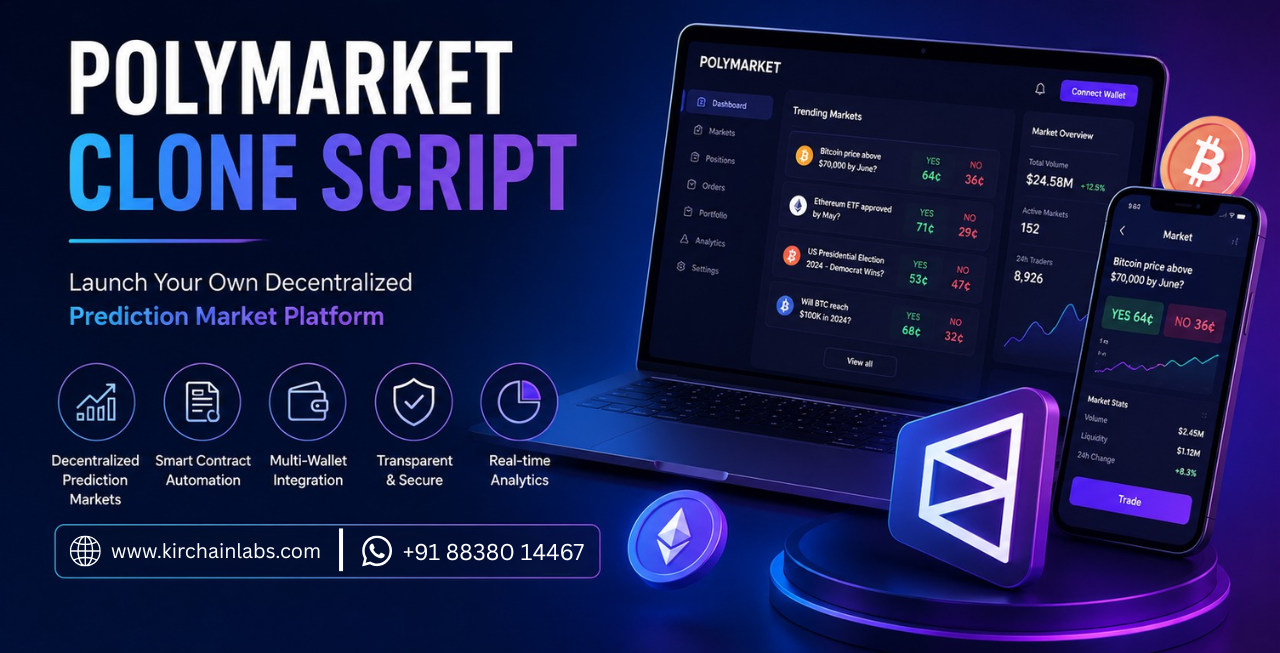
A Polymarket clone script is a pre-built software framework that replicates the core features of Polymarket. Choosing a robust and customizable clone script is crucial for building a scalable platform.
Key features to look for:
· Market Creation Module: Users can create prediction events with defined outcomes.
· Trading Engine: Real-time execution of trades, reflecting dynamic probabilities.
· Smart Contract Integration: Automated settlement and transparent record-keeping.
· Wallet Connectivity: Supports crypto wallets for smooth deposits, trades, and withdrawals.
· Admin Dashboard: Manage users, transactions, and platform analytics effectively.
Using a clone script drastically reduces development time and allows startups to focus on business strategy and user growth.
Step 3: Define Your Revenue Model
Monetization is critical to ensure your prediction market platform is profitable. A Polymarket clone software provides the technical framework, but your business model defines success.
Some effective revenue streams include:
1. Transaction Fees: Charge a small fee on each trade, generating continuous income.
2. Market Creation Fees: Allow users to create exclusive events for a fee.
3. Liquidity Provider Earnings: Earn from spreads in automated markets.
4. Subscription or Premium Access: Offer analytics, early insights, or advanced trading tools.
5. Token Integration: Launch a native token for staking, governance, and platform rewards.
Balancing these revenue streams ensures your platform is financially sustainable while keeping user engagement high.
Step 4: Focus on User Engagement
A platform is only as successful as its active user base. Engaging users requires seamless usability, interactive features, and real-time updates to encourage frequent participation and trading.
Best Practice of Engagement
· Intuitive Interface: Users should trade and navigate markets easily.
· Real-Time Updates: Display live odds, event status, and market trends.
· Mobile Compatibility: Ensure a responsive design for users on smartphones or tablets.
· Gamified Features: Introduce leaderboards, achievements, or rewards to increase retention.
Active users generate more trades, increasing liquidity and revenue potential.
Step 5: Customize for Niche Markets
While general markets attract broad audiences, niche markets can provide faster adoption and higher engagement. Customization allows startups to differentiate their platform and appeal to targeted communities.
Examples of Niche Markets
While broad prediction markets can attract general audiences, targeting niche segments can accelerate growth and profitability:
· Sports and Esports: Tap into passionate fan communities.
· Cryptocurrency and DeFi Events: Engage blockchain enthusiasts.
· Politics and Economics: Provide platforms for professional traders or analysts.
· Entertainment and Pop Culture: Create interactive, fun markets for general audiences.
A Polymarket clone script allows you to customize features, layouts, and market rules to suit specific audiences, creating differentiation in a competitive market.
Step 6: Ensure Technical Security and Scalability
Technical reliability is critical for user trust and platform growth. A secure, scalable infrastructure ensures smooth operations and builds long-term credibility in the market.
Key considerations include:
· Smart Contract Audits: Prevent hacks and ensure secure settlements.
· Multi-Wallet Support: Offer compatibility with popular crypto wallets.
· Scalable Infrastructure: Handle growing trading volumes without latency.
· Real-Time Data Feeds: Ensure accurate and up-to-date market information.
A solid technical foundation ensures your prediction market platform operates smoothly, which is critical for retaining users and maintaining profitability.
Step 7: Implement Marketing and Growth Strategies
Even the best platform requires active growth strategies to attract users. Marketing efforts aligned with platform features help sustain liquidity and encourage frequent trading.
Effective Marketing strategies include:
· Content Marketing: Create educational and trending event content.
· Community Engagement: Build active communities on Discord, Telegram, or social media.
· Referral Programs: Reward users for bringing others to the platform.
· Collaborations and Partnerships: Partner with influencers or crypto/finance communities.
By aligning marketing with platform functionality, you can grow an engaged user base that sustains liquidity and revenue.
Step 8: Monitor, Analyze, and Optimize
Profitability depends on continuous improvement. Monitoring platform metrics allows startups to refine features, optimize fees, and enhance user experience.
Areas to track include:
· User activity and retention
· Market volumes and liquidity
· Most popular event categories
· Fee-based revenue streams
Based on insights, optimize market structures, adjust transaction fees, or introduce premium features to maximize profitability.
Step 9: Maintain Compliance and Transparency
Legal and ethical considerations are vital for long-term success. Adhering to regulations and maintaining transparent practices protects the platform and its users.
Focus area for Compliance
· Stay updated with jurisdictional regulations around trading and financial platforms.
· Implement transparent market resolution mechanisms.
· Ensure data privacy and protect user funds.
· Regularly audit smart contracts and trading engines for compliance.
Maintaining trust and transparency is key to long-term platform success.
Final Thoughts
Building a profitable prediction market platform using a Polymarket clone script is not only feasible but also strategically advantageous for startups aiming to enter the Web3 space. The clone script provides a ready-made, secure, and scalable foundation while allowing customization for niche markets, monetization strategies, and user engagement.
By combining robust technology, targeted marketing, and smart revenue models, startups can create platforms that are not just functional but highly profitable. Partnering with experienced providers like KIR Chain Labs ensures access to expert guidance, cutting-edge technology, and support needed to launch a successful, future-ready prediction market platform.











Write a comment ...